anticanicula
February 20, 2026
Share:


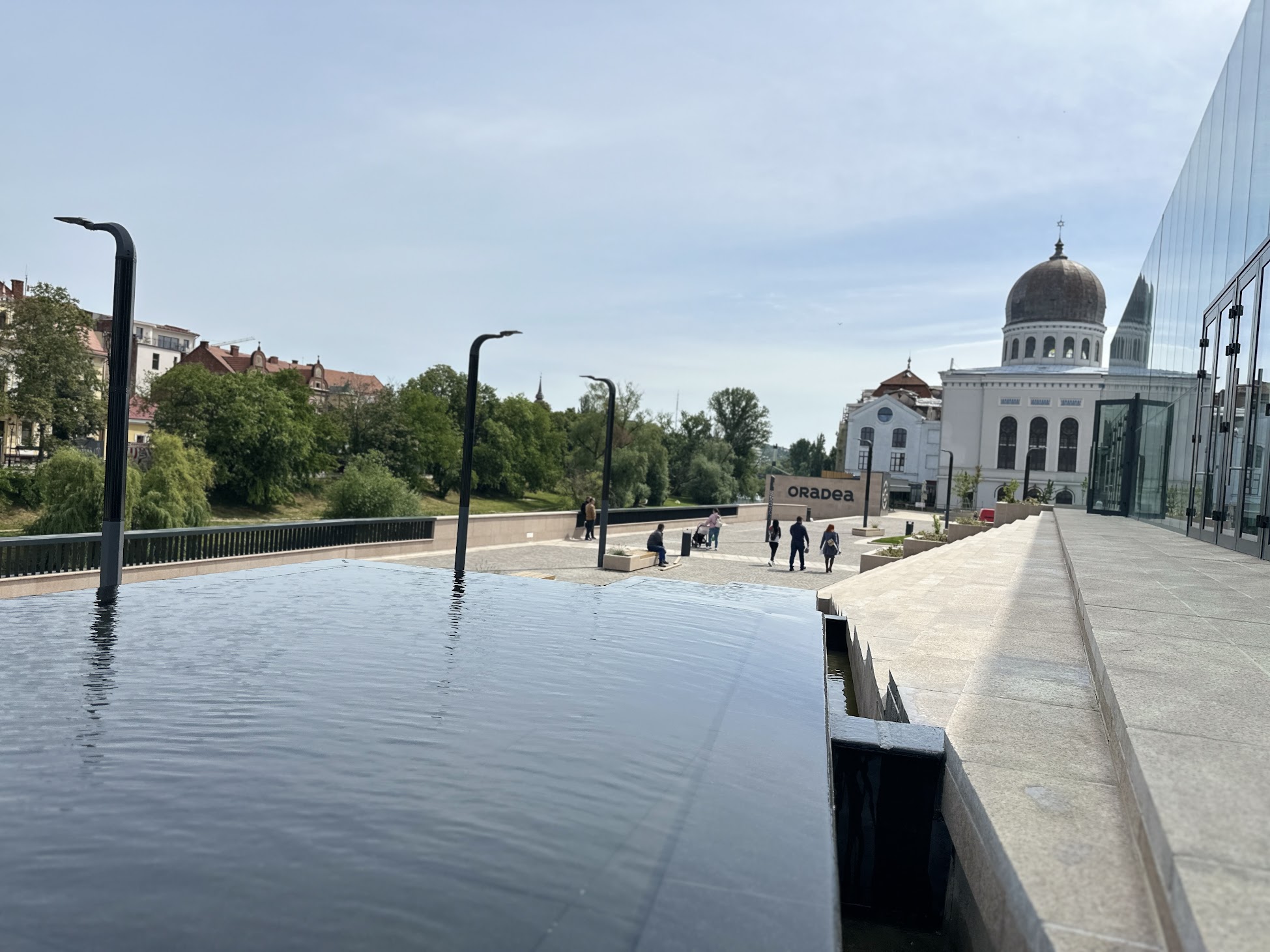
The LIFE COOL ZONE project (LIFE24-CCA-HU-101213989) is a new European Union climate adaptation initiative under the LIFE Programme, designed to address the growing challenge of heatwaves and the urban heat island effect in cities and their functional urban areas.
Heatwaves are becoming one of the most serious climate-related challenges in cities. Dense buildings, paved surfaces and limited green areas trap heat, making urban neighbourhoods much warmer than their surroundings. This so-called urban heat island effect increases health risks, especially for elderly people, children and vulnerable groups, and reduces overall quality of life.
The LIFE COOL ZONE project was launched to help cities and their surrounding settlements better prepare for extreme heat. Instead of looking at cities in isolation, the project focuses on Functional Urban Areas (FUAs) – urban centres and the nearby towns and villages that are closely connected to them through daily life, transport and services.
The main goal of the project is to understand where heat risks are the highest, who is most affected, and how cities can reduce these risks through smart planning, cooperation and climate-friendly solutions. By combining scientific analysis with local action, the project supports cities in becoming cooler, healthier and more resilient to climate change.
In LIFE COOL ZONE, we explore whether the urban heat island effect can be analysed and addressed at the level of a Functional Urban Area (FUA), rather than being treated solely as a city-level phenomenon. Using the FUAs of Debrecen and Oradea as pilot areas, the project investigates whether heat-related challenges can be understood and managed in a complex, integrated way across the entire urban– suburban system.
The key question is whether urban heat stress can be tackled systemically at FUA level, instead of through isolated, fragmented interventions limited to individual cities. This FUA-scale, integrated approach to managing the urban heat island effect is what makes COOL ZONE genuinely novel in the field of climate adaptation.
Why This Project Matters
Climate adaptation is crucial as heatwaves become more severe due to global warming. LIFE COOL ZONE brings municipalities together to develop practical, science-based solutions that are scalable and replicable across the EU. By combining green infrastructure, collaborative governance and targeted interventions, the project helps protect health, improve urban liveability, and support sustainable development in the face of climate change.
In COOL ZONE, we explore whether the urban heat island effect can be analysed and addressed at the level of a Functional Urban Area (FUA), rather than being treated solely as a city-level phenomenon. Using the FUAs of Debrecen and Oradea as pilot areas, the project investigates whether heat-related challenges can be understood and managed in a complex, integrated way across the entire urban – suburban system.
The key question is whether urban heat stress can be tackled systemically at FUA level, instead of through isolated, fragmented interventions limited to individual cities. This FUA-scale, integrated approach to managing the urban heat island effect is what makes COOL ZONE genuinely novel in the field of climate adaptation.
The project starts by mapping heat and vulnerability in cities. Using advanced climate models, researchers analyse how temperatures change across different neighbourhoods, both now and in the future. This makes it possible to identify urban “hotspots” – areas where people are most exposed to extreme heat.
Based on this knowledge, the project works closely with municipalities to:
Two pilot Functional Urban Areas – Debrecen and Oradea – are at the centre of testing these approaches. As the project’s only external partner from Romania, Oradea will receive EUR 878,566 to support the implementation of local adaptation actions. The municipality will apply the internationally recognized SURFEX numerical climate model to identify neighbourhood‑level heat‑vulnerability hotspots and to guide targeted interventions. Planned measures include permeable surfaces, drought‑resistant tree planting, reflective urban materials, and additional cooling elements designed to reduce heat stress in both public spaces and densely built areas. Furthermore, a climate decision‑support platform will be established at the Functional Urban Area level, enabling coordinated governance across municipalities, while a Local Climate Change Adaptation Strategy will be developed and integrated into Oradea’s broader urban development framework
Here, cities cooperate with surrounding settlements to plan and implement integrated solutions, such as more greenery, shaded public spaces, and climate-friendly urban surfaces. Importantly, these solutions go beyond city borders and address the wider urban region.
Another key achievement is the creation of decision-support tools and planning guidelines, which help local authorities make informed choices based on data. The project also establishes local climate cooperation platforms, bringing together municipalities, experts and stakeholders to jointly discuss challenges and solutions.
Key Objectives
The LIFE COOL ZONE project delivers real benefits for people and cities.
So far, the project will:
In the long term, the project is expected to:
By applying the analyses carried out within the project, the planning tools developed, and the knowledge made available to local authorities, the initiative strengthens urban resilience and supports the development of cities that are better prepared for the impacts of climate change. LIFE COOL ZONE demonstrates that coordinated cooperation at the regional level, together with investments in green, people‑centred solutions, represents an effective way to adapt to a warming climate.
Partners
The consortium includes Hungarian and Romanian national and local authorities, scientific institutions, and regional partners working together to co-design and implement effective urban heat adaptation strategies. The partnership involves HungaroMet, the Lechner Knowledge Center, the municipalities of Debrecen and Oradea and The Association of Climate-Friendly Municipalities. The initiative is coordinated by the Ministry of Public Administration and Regional Development.
Etichete:
Urmărește-ne pe Social Media:


